
Reputable Loss Prevention Company in Toronto
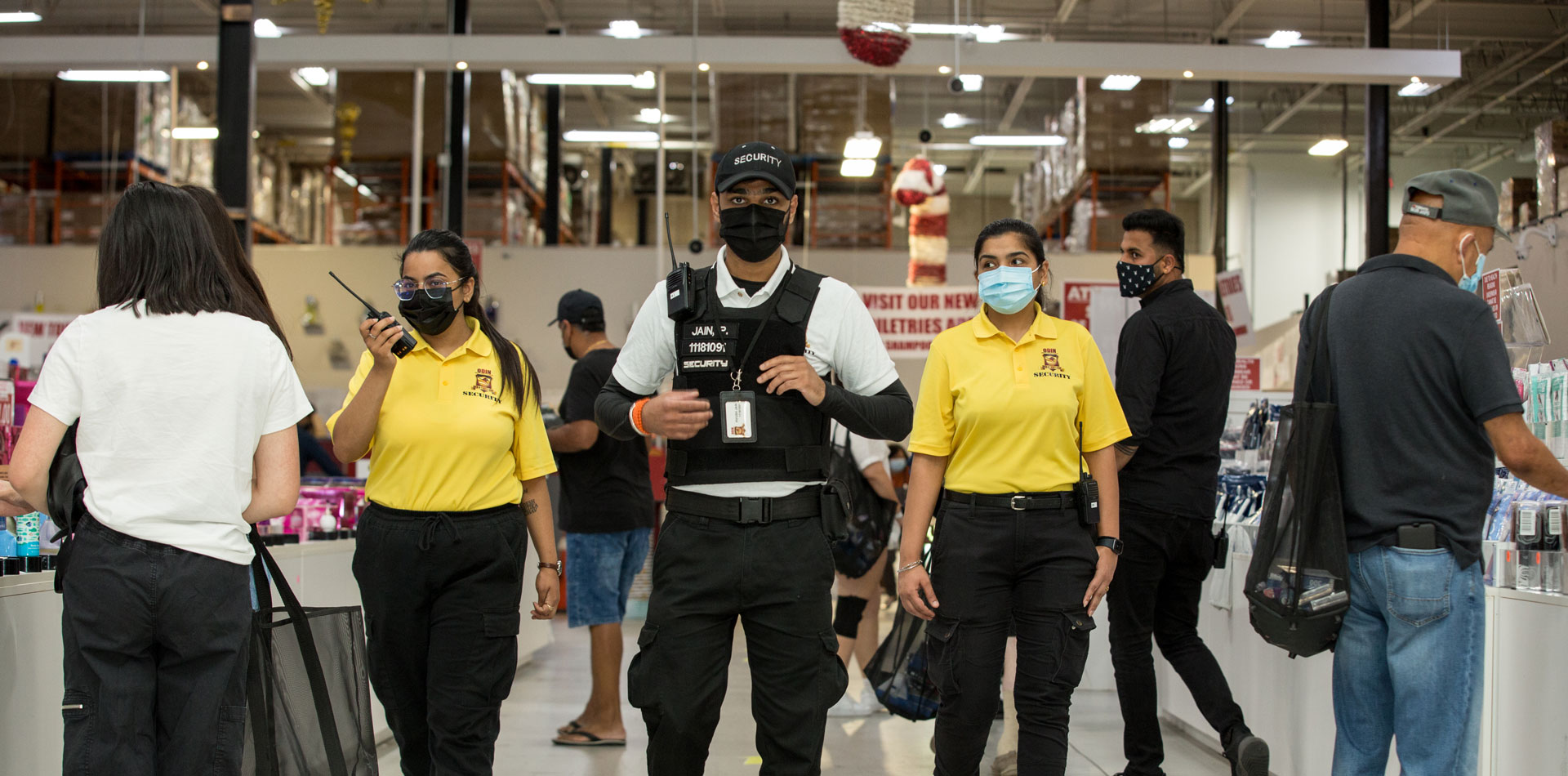
Your reputable loss prevention company in Toronto should be able to explain its approach, define the duties of its personnel and show how its work fits your store. Reputation should rest on evidence: appropriate licensing, clear instructions, accountable communication and relevant experience. A confident sales pitch alone cannot tell you whether a security arrangement will work during a busy shift.
Odin Protection offers loss prevention services with high-profile and low-profile personnel, access control and customer assistance. For retailers comparing options, the starting point is a conversation about the store, its pressure points and the support employees need. The right scope should make responsibilities easier to understand and give managers a practical basis for reviewing coverage.
If you are planning retail theft prevention in Toronto or the GTA, contact Odin Protection or call +1 647-748-6346 to discuss your requirements. Share your location, operating hours and recurring concerns so the enquiry starts with useful operational information.
What Does a Loss Prevention Company Do for Retail Businesses in Toronto?
A loss prevention company provides personnel and agreed security support intended to discourage theft, observe relevant activity and help businesses respond to incidents. Depending on the contract, the work can involve visible guards, lower-profile observation, access control and communication with management. The exact responsibilities should be documented before coverage begins.
Loss prevention also requires understanding what the figures mean. Missing inventory can arise from theft, receiving errors, recording mistakes, damaged goods or other operational issues. A guard cannot resolve every cause of stock loss. Retail managers should connect security observations with their inventory and transaction records before deciding which changes deserve priority.
That distinction matters when you are spending a limited budget. If losses happen around receiving, adding a visible entrance position may leave the underlying problem untouched. If employees face repeated confrontations at closing, inventory controls alone will not provide the support they need. Begin with the problem, then choose the coverage.
How Can Loss Prevention Security Guards Support Retail Employees?

Retail staff already manage queues, replenish shelves, answer questions and handle returns. Expecting them to watch every aisle at the same time can create gaps and unnecessary pressure. Employees also need clarity about whom to contact when an interaction becomes uncomfortable or an incident requires management attention.
A dedicated security presence can establish an additional point of observation and communication. However, staffing only helps when the division of work is clear. Decide which issues go to the manager, which require security assistance and which require emergency services. Employees should not have to improvise those decisions during a stressful moment.
Consider the ordinary shift as well as the serious incident. Who covers an entrance while a delivery arrives? How does a cashier request assistance without leaving the till? Who receives information at handover? These routine questions often reveal whether a proposed loss prevention arrangement is practical enough for daily use.
Visible vs. Low-Profile Loss Prevention Guards: Which Is Right for Your Store?
Odin’s existing loss prevention page describes both high-profile and low-profile personnel. These approaches serve different operational preferences. Discuss the intended duties and presentation rather than assuming that one approach is automatically more effective. Store format, customer expectations and the pattern of incidents should shape the decision.
When Should Retail Stores Use Visible Security Guards?
A visible security position makes the presence of security clear to customers and staff. It may suit a store that wants assistance near an entrance, a recognisable contact during busy periods or observation around agreed access points. Positioning should support movement through the store rather than obstruct it.
Visibility needs a defined purpose. A guard at the front of a shop cannot observe every back aisle simultaneously. Agree which areas take priority, how floor movement works and what happens when attention is needed elsewhere. A clear assignment is more useful than an instruction to watch everything.
When Should Retail Businesses Consider Low-Profile Loss Prevention?
Some retailers prefer security personnel whose presentation attracts less attention. Odin lists low-profile loss prevention as an available service. Ask how that arrangement would work at your location, what the personnel would observe and how they would communicate concerns without disrupting the shopping experience.
Lower profile should never mean unclear accountability. Managers still need to know who is working, what authority the assignment provides and how observations reach the appropriate person. Confirm applicable licensing and any uniform requirements or exemptions before agreeing to a deployment. Do not assume that every discreet security assignment has identical conditions.
How Does Store Layout Affect Retail Loss Prevention Planning?
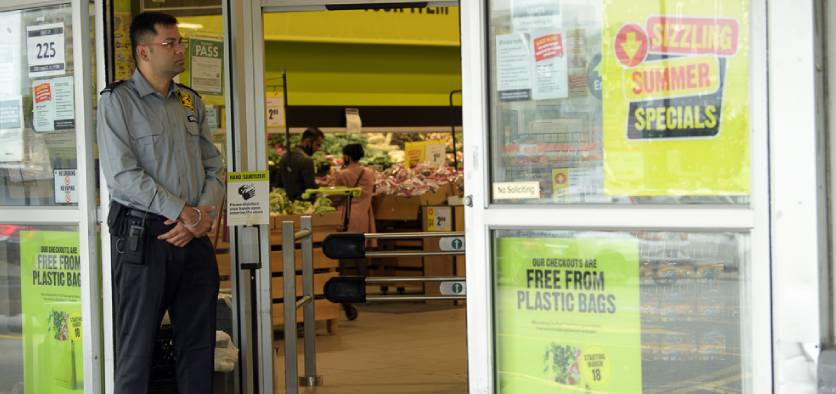
A useful retail loss prevention discussion starts with the physical environment. Entrances, exits, checkout lines, stockrooms and delivery routes all influence movement. Tall displays can interrupt sightlines, and seasonal merchandising can change a layout that worked well a month earlier. Coverage should reflect the current arrangement.
Walk through the site with specific questions. Where do queues block visibility? Which doors should remain restricted? Where can a manager meet security personnel without leaving the sales floor unsupported? Which areas require customer assistance more often? The answers help translate broad concerns into duties that can be described and reviewed.
A small shop may need a different approach from a large grocery store or a multi-tenant retail property. Shared entrances and landlord responsibilities can complicate boundaries. Confirm where the assignment begins and ends, especially when a store sits inside a mall or shares loading areas with other businesses.
How Can Retail Security Guards Reduce Theft Risks Without Disrupting Customers?
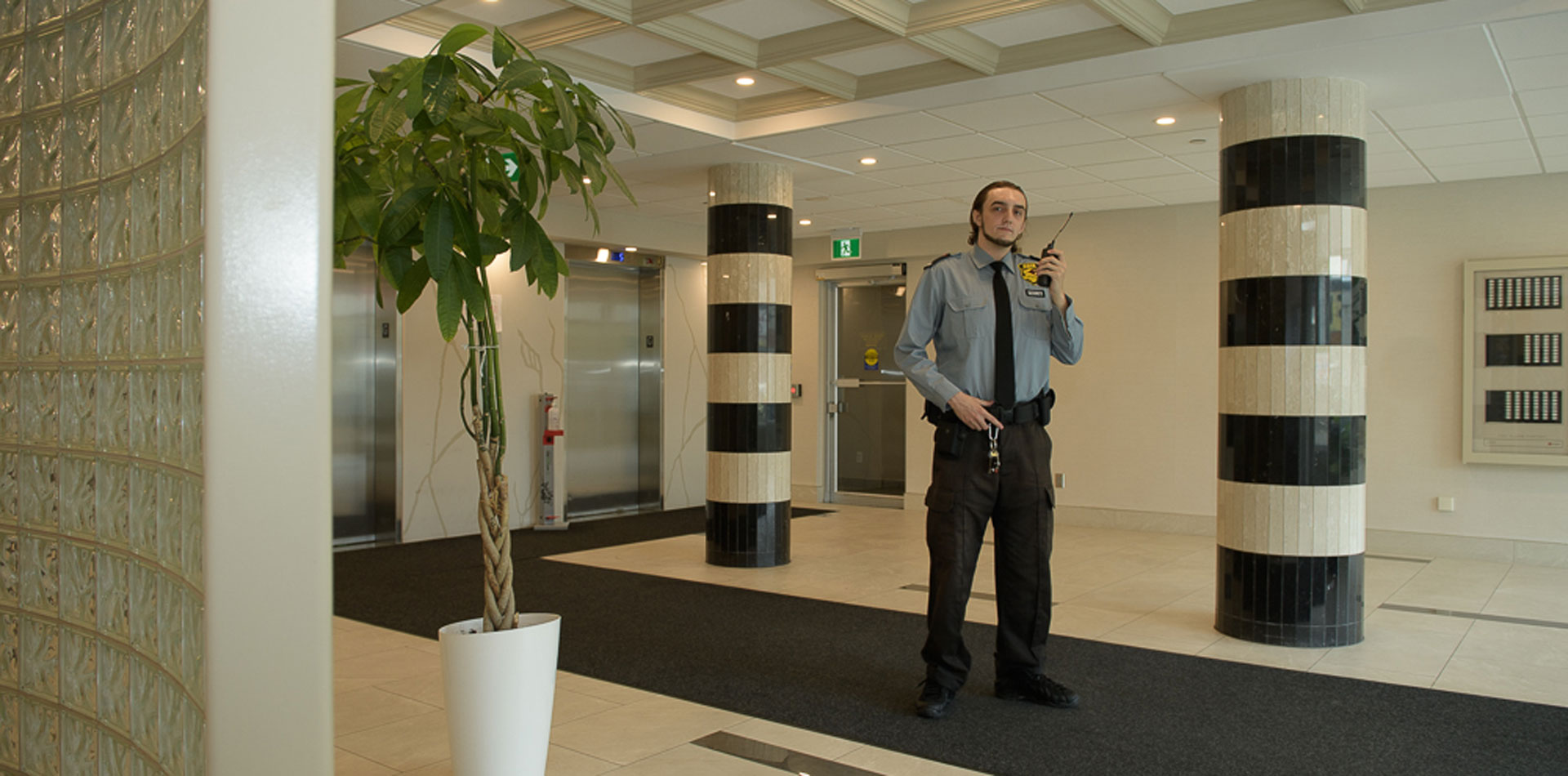
Customers should be able to browse, ask questions and complete purchases without unnecessary friction. Security procedures work better when personnel understand the retailer’s expectations for communication and assistance. Odin’s published loss prevention service includes customer queries and wayfinding, making customer-facing responsibilities a relevant part of the enquiry.
Observation should focus on relevant conduct and agreed procedures. Appearance, background or personal characteristics should not become substitutes for objective information. A retailer should discuss respectful treatment, escalation expectations and complaint handling before work begins. These conversations help protect the shopping experience and support consistent decisions across different shifts.
Managers also need a route for resolving misunderstandings. If a customer challenges an interaction, staff should know who receives the concern and what information is recorded. A professional response includes listening, documenting the facts and reviewing the circumstances. It does not require making assumptions before the situation is understood.
Why Is Access Control Important for Retail Loss Prevention?
Access control is part of Odin’s published loss prevention offering. In a retail setting, relevant areas can include staff-only doors, stockrooms and delivery access. The purpose is to support agreed movement and permissions, with responsibilities matched to the store’s operating procedures and the terms of the assignment.
A receiving area deserves particular attention when deliveries overlap with busy trading periods. Establish who checks a visitor’s purpose, who authorises entry and who receives delivery discrepancies. Security personnel and receiving staff need complementary duties. Confusion about who is checking what can leave both teams assuming the other has acted.
The same principle applies to keys, passes and temporary access. Decide who can authorise exceptions and how changes are communicated. A verbal instruction given to one shift may not reach the next. Written updates help maintain consistency when managers, contractors or opening arrangements change during the week.
How Do CCTV Monitoring and On-Site Security Guards Support Retail Loss Prevention?
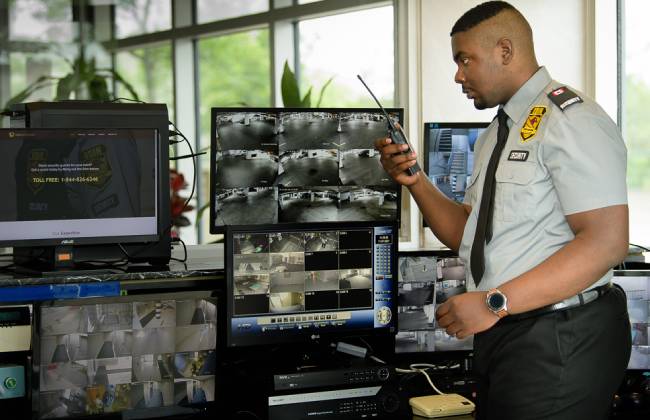
Cameras and on-site personnel serve different functions. A camera may provide a view of an area, while a person can communicate with staff or assist at an agreed position. Neither should be treated as a complete solution on its own. Discuss how existing equipment supports the proposed assignment.
Odin also provides reliable monitoring services. If you are considering monitoring alongside loss prevention, request a clear explanation of the available scope, compatibility and responsibilities. The existence of a separate service page does not establish that a particular integration or feature is included in your quote.
Before relying on footage, consider access permissions, image quality, camera positioning and retention procedures with the appropriate advisers. Establish who can request a review and who may receive recordings. Security observations should not lead to unnecessary circulation of personal information through informal messages or unrestricted shared folders.
How Should Retail Security Guards Report and Communicate Security Incidents?
During an incident, people need straightforward instructions. Define how security personnel contact management, which information should be passed immediately and when emergency services should be contacted. Serious or immediate danger requires the appropriate emergency response. A commercial security enquiry is not a substitute for emergency assistance.
For routine concerns, specify what managers need to know. Useful information may include the time, location, observed behaviour, people notified and action taken. Separate direct observations from assumptions. A clear factual account helps the retailer understand what happened without turning an uncertain impression into a definitive accusation.
Ask prospective providers what reporting is available and whether it is included in the proposed service. Do not assume that electronic reports, photographs, live dashboards or a particular reporting schedule come as standard. Agree on the format, recipients and handling requirements in writing so expectations match delivery.
What Makes a Loss Prevention Company Reputable in Toronto?
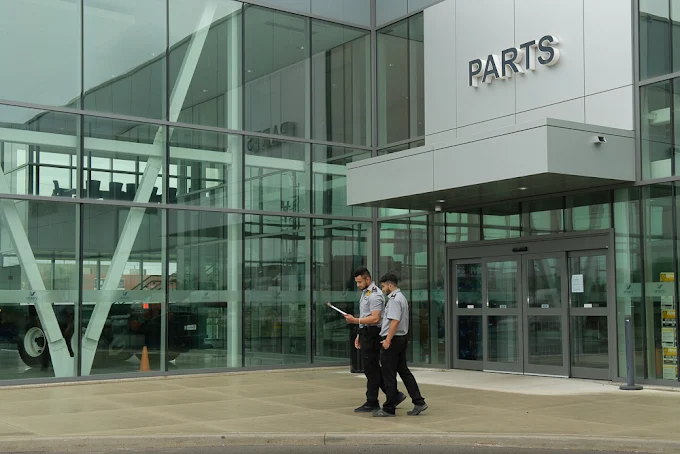
The word reputable should lead to questions about evidence. Start with licensing, a clear business identity and a written description of services. Then ask how the proposed personnel will be prepared for your site, how managers can raise concerns and how changes to coverage will be handled.
In Ontario, agencies selling security guard services must maintain the appropriate agency licence and employ appropriately licensed personnel. ServiceOntario provides a public route to check licence status. Use the legal business name or licence details supplied by the provider, and verify the relevant records rather than relying on a marketing phrase.
Relevant experience should also be explained carefully. Ask for references or examples that the company has permission to share. A client logo does not tell you the scope, duration or current status of a relationship. Look for evidence connected to a comparable operational need, with claims that can be checked.
What Are the Responsibilities and Limitations of Loss Prevention Guards in Ontario?
A retail security assignment should set out responsibilities, boundaries and escalation procedures. Security personnel are not police officers. Retailers should obtain appropriate professional guidance on policies involving suspected theft, searches, detention, use of force or other sensitive actions. A website article cannot establish the correct response to every situation.
Ask how proposed procedures are reviewed and communicated to the people working at your store. Employees need consistent instructions too. Conflicting directions from different managers can undermine an otherwise clear plan, particularly when a situation develops quickly. Name the person authorised to approve changes and resolve operational questions.
Avoid evaluating a service only by the number of confrontations or apprehensions. Those figures can encourage the wrong priorities when separated from context. A better discussion considers staff support, consistent procedures, quality of information and whether the assignment addresses the retailer’s identified concerns without creating avoidable disruption.
When Do Retail Stores Need Loss Prevention Security Coverage?
The hours that need support may differ from the hours that look busiest. Opening, deliveries, shift changes and closing can each create particular pressures. Review recent incidents and employee feedback before choosing a schedule. A focused description of those patterns makes it easier to discuss suitable coverage.
Seasonal promotions and special trading periods may change the requirement. Larger queues, temporary displays and unfamiliar staff can affect sightlines and communication. Raise planned changes early and confirm availability directly with Odin. Do not assume that additional personnel, extended hours or short-notice changes will always be available.
For more than one location, prepare a brief for each site. Shared standards can help, but identical staffing across different layouts may be inefficient. Compare access points, incident patterns and manager availability before deciding what should be consistent and where individual locations need different instructions or coverage periods.
What Affects The Cost of loss Prevention Services?
Pricing depends on the agreed work. Relevant factors can include location, hours, assignment duration, personnel requirements and the responsibilities involved. Odin’s reviewed pages do not provide a verified public rate for this service. Request a written quote rather than using an assumed hourly figure to plan your budget.
Compare quotes against the same requirements. A lower price can be difficult to evaluate if supervision, reporting, minimum hours or additional charges are unclear. Ask what is included, how schedule changes are handled and which conditions could alter the total cost. Confirm contract terms before making a decision.
Value should be reviewed against a defined problem. More coverage is not automatically the right answer, and fewer hours may leave a critical period unsupported. Share enough information for a provider to explain its proposed scope, then compare the reasoning as carefully as the price.
How Can Retail Businesses Measure the Effectiveness of Loss Prevention Services?
A practical review begins with an agreed baseline. Use your own inventory records, incident information and staff feedback to understand the situation before coverage starts. Keep the limitations visible: changes in sales, stock mix and counting methods can affect comparisons. A movement in one number does not prove a single cause.
Choose measures that match the assignment. These might include whether agreed positions were covered, whether managers received necessary information and whether recurring access problems were addressed. If shrink is reviewed, use consistent definitions and reporting periods. Avoid promising a percentage reduction without reliable evidence and a clear method.
Set a review point with the provider and record any agreed changes. If an issue continues, examine the circumstances before simply adding hours. The layout, instructions or timing may need adjustment. A useful review produces a specific next action and identifies who is responsible for following through.
How Can Loss Prevention Guards Help Reduce Retail Theft and Inventory Loss?

GTA and surrounding retailers are reporting staggering number of thefts from their store which is impacting their profit margin heavily. Small claims court which mostly handles this type of thefts are already overwhelmed by huge backlog of pending cases do not have enough availability for court dates. Many retails insurance companies now prefer loss prevention personnel on site to deter these rising criminal activities. Odin Protection provided loss prevention services across many major retailers across Ontario such as FreshCo, Lisa Cosmetics etc. with proven record to significantly reduce retail thefts. Our Loss prevention personnel goes through extensive training to quickly notice and identify thefts, vandalism amongst other crimes. It is virtually impossible for store employees to manage their duties and actively search for thefts. Odin provides both high-profile and low-profile personnel depending on the client’s requirements. High-profile personnel are more visible and their presence deters criminals from wrong doings. Low-profile personnel are more investigative. They actively monitor and seeks out possible criminals and prevents them from committing crime.
Some of our Loss Prevention Service includes:
- Fully Licensed and Uniformed Loss Prevention Guards
- Low profile Loss prevention Guards
- Access Control
- Identification and notification to appropriate authority
- Customer queries handling and wayfinding
- Assist managers and other authorities with tasks
Discuss your requirements with Odin Protection
Odin lists loss prevention alongside its broader security services. Its published contact address is 450 Kennedy Road, Unit 3, Scarborough, ON M1K 2A8, and its customer contact number is +1 647-748-6346. Confirm service availability and the proposed arrangements directly for your Toronto or GTA location.
You can also review Our trusted security guard services when your needs extend beyond inventory concerns to general store support. Keep the enquiry specific: explain whether the priority is visible presence, access control, employee assistance or a combination of responsibilities requiring a clearly defined scope.
For company background, learn more About Odin Protection. When comparing providers, request the current evidence relevant to your decision, including licence information and applicable service documentation. Published background is useful context, while the written proposal should explain what the company is offering for your particular store.
Frequently asked questions
How do I choose a trustworthy loss prevention company near toronto?
Check the appropriate licence records, request a clear scope and ask how personnel will work with your managers. Review relevant references where available. Compare providers on documented responsibilities, communication and suitability for your store rather than unsupported claims of being the best or eliminating every loss.
Does Odin offer visible and low-profile loss prevention personnel?
Yes. Odin’s existing loss prevention page lists high-profile and low-profile personnel. Ask which approach is suitable for your store and confirm the duties, presentation, availability and applicable requirements in the proposal. The published service description does not establish the details of an individual deployment.
Is loss prevention the same as retail security?
The services overlap. Loss prevention focuses on loss-related risks, while retail security can include broader support for people, access and store operations. Your assignment may combine these needs. Explain the main problem first so the provider can define responsibilities without duplicating work or leaving gaps.
Can guards stop every instance of shoplifting?
No provider should promise that every incident will be prevented. Security coverage is intended to support risk management through agreed duties and procedures. Store layout, operating practices and employee communication also matter. Ask for a realistic explanation of the proposed approach and how its performance will be reviewed.
Can I request coverage for one store or several locations?
Describe each location, its hours and the support required when contacting Odin. Ask the company to confirm availability and propose a suitable scope. For multiple stores, provide separate operating details so the enquiry reflects actual differences rather than assuming that one arrangement will suit every site.
What should I prepare before requesting a quote?
Provide the store address, opening hours, requested dates, access points and a short summary of recurring concerns. Include existing security arrangements and the manager responsible for the enquiry. Avoid sending unnecessary personal information about customers or employees. Ask which further details are needed for an informed proposal.
How do I enquire about loss prevention services?
Call +1 647-748-6346 or send an enquiry to Odin Protection. Explain the location and your main operational concern. Request a written scope covering responsibilities, availability and pricing so you can review a concrete proposal before deciding how to proceed.